


It is a well-known secret in the horticulture community: more houseplants die from over-watering than from dehydration. When we see a droopy leaf, our first instinct is to reach for the watering can. However, waterlogged soil suffocates the roots, leading to root rot—a silent killer that decays the root system from the bottom up. Learning a consistent, observant watering ritual is the ultimate key to plant longevity.
1. The Finger-Test & Weight Method
Ditch the calendar. Watering your plants on 'every Tuesday' is a recipe for disaster, as temperature, humidity, and sunlight changes affect how fast the soil dries out.
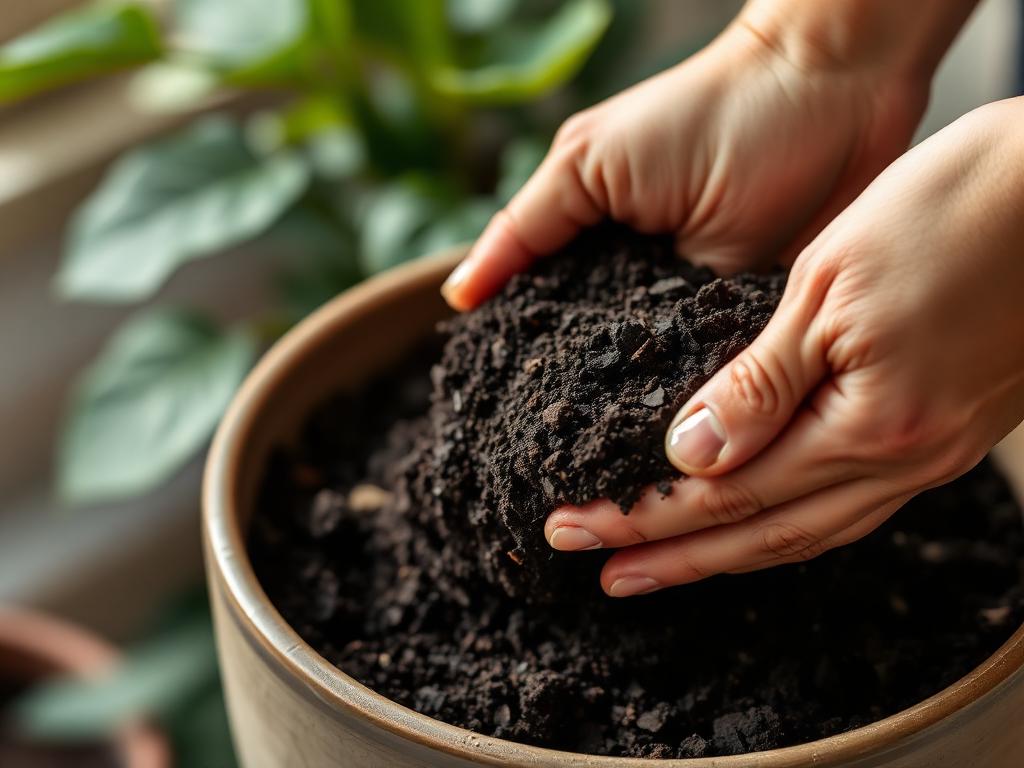
The Finger Test: Insert your index finger about 1 to 2 inches into the soil. If it feels cool and damp, do not water. If it is dry and crumbly, it is time to water.
The Weight Method: Pick up your pot. With experience, you will learn the weight difference between a dry pot (lightweight) and a wet pot (heavy). This is an incredibly accurate indicator for larger plants.
2. Top-Watering vs. Bottom-Watering
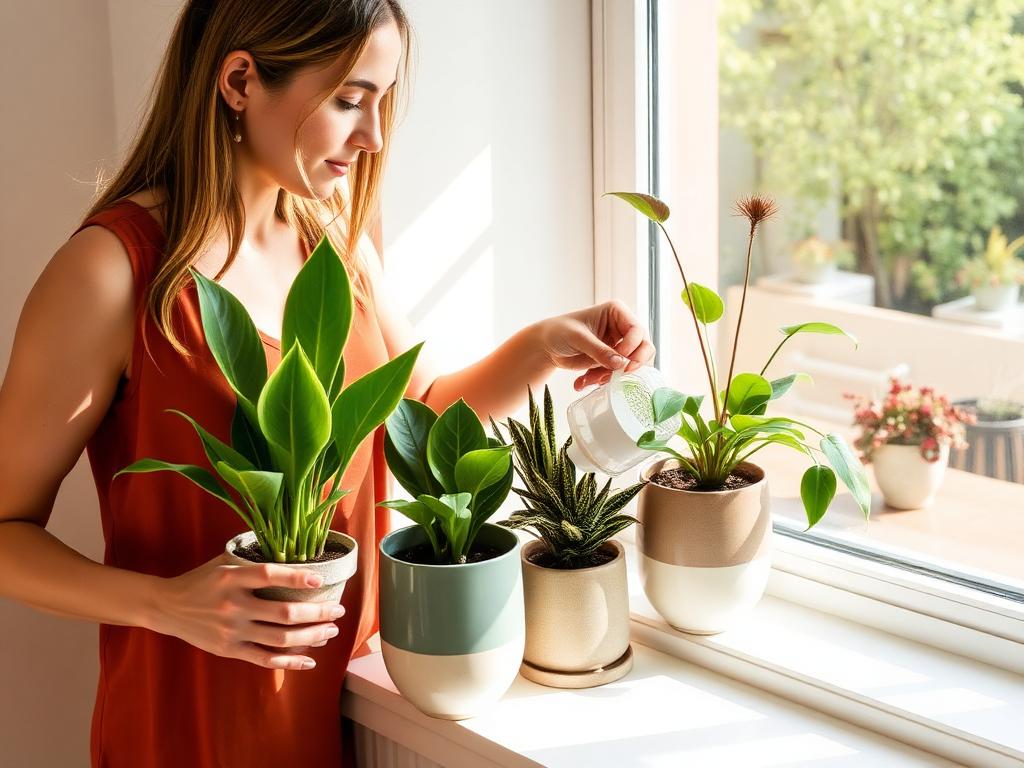
Top-Watering: Pour water slowly around the base of the plant until it runs freely out of the drainage holes. Never let the pot sit in standing water inside its saucer for more than 15 minutes—empty it immediately.
Bottom-Watering: Place your pot in a tray or shallow bowl filled with 1-2 inches of water. The dry cocopeat potting mix will draw water upward via capillary action. After 20 minutes, when the topsoil feels damp, remove the pot and let the excess drain. This encourages roots to grow deeper search of moisture.
3. Recognizing Signs of Trouble
Overwatered: Leaves turn pale yellow, drop off, or feel limp/mushy. The base of the stems may feel soft, and a sour smell may rise from the soil.
Under-watered: Leaf edges turn brown and crispy. The entire plant wilts, and the potting mix pulls away from the inner sides of the container.
In Summary
Treat watering not as a chore, but as a weekly ritual of observation. Touch the leaves, check the soil depth, feel the weight, and adjust your care to match your plant's natural rhythm.