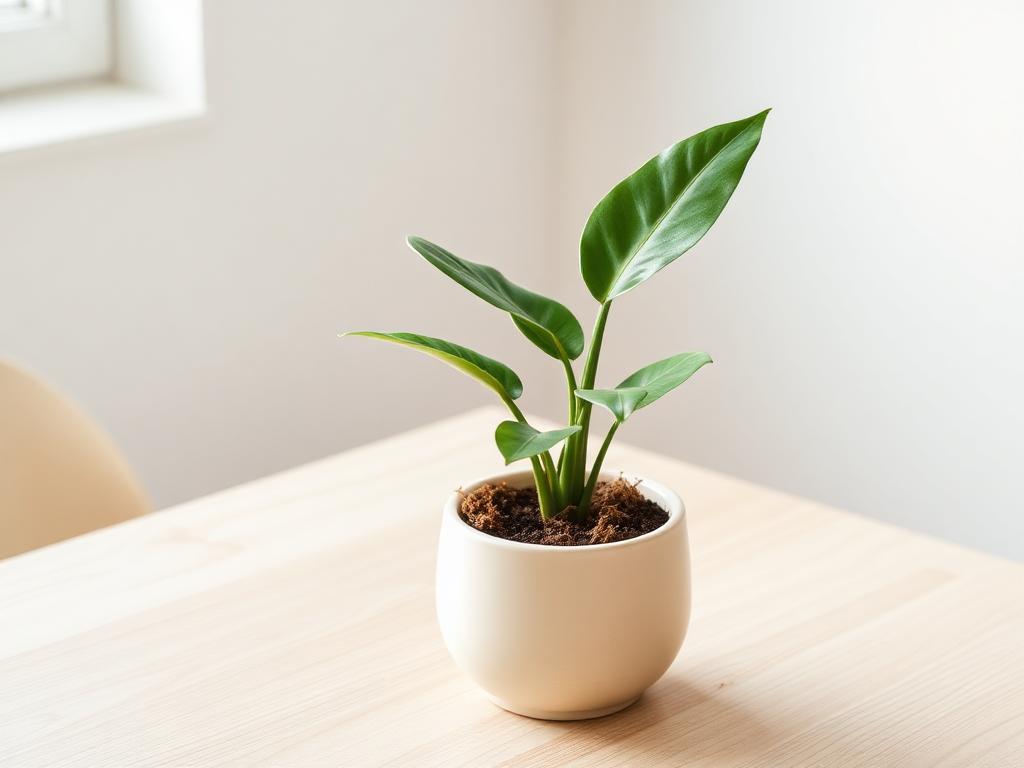



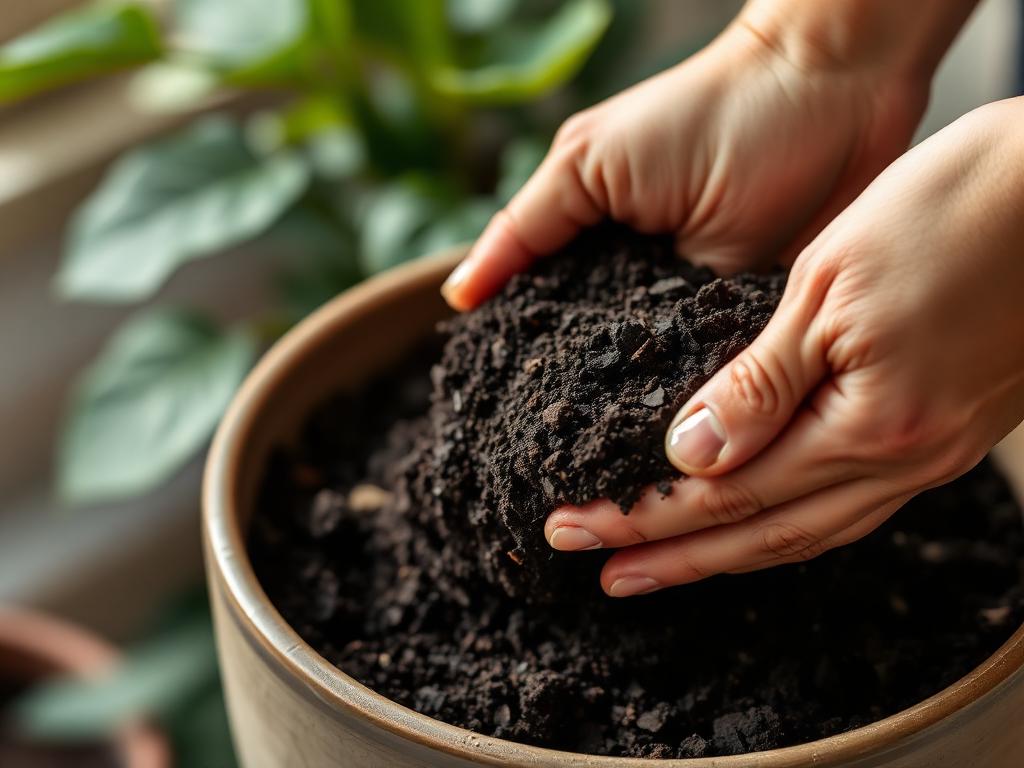
Vermicompost, often hailed by urban gardeners as 'black gold,' is one of the most powerful organic soil conditioners you can feed your indoor jungle. Unlike chemical fertilizers that overload the plant with synthetic salts, vermicompost is living, biological nutrition. It is packed with rich organic matter, humic acids, and billions of beneficial microbes that unlock nutrients for your plants naturally.
1. The Science of Worm Castings
At its core, vermicompost is the biological end-product of composting using earthworms. As organic matter passes through the worm's digestive tract, it is refined and coated with specialized enzymes.
This process creates 'castings'—highly stable, organic aggregates loaded with micro and macronutrients in water-soluble forms. This means your houseplants can absorb them immediately without the risk of root burn.
Moreover, the microbial activity in vermicompost is extremely high. These microscopic organisms colonize the root zone (rhizosphere), shielding your plant from pathogens and helping roots develop a robust structure.
2. Step-by-Step Application Guide
Top Dressing: The simplest way to apply vermicompost is to scratch it directly into the top layer of your pot's soil. Carefully loosen the top 1-2 inches of soil, spread 1 to 2 handfuls of Bhusari Agro Vermicompost evenly, and water it thoroughly.
Soil Mixing: When repotting a plant, mix vermicompost directly into your potting medium. A standard golden ratio for thriving indoor plants is 20% to 30% vermicompost, combined with cocopeat, perlite, and garden soil.
Liquid Castings Tea: For a gentle, quick-acting foliar spray or liquid feed, steep one cup of vermicompost in a gallon of non-chlorinated water overnight. Strain the liquid and use it to water your plants or spray their leaves.
3. Dosage & Frequency
Houseplants are generally active during the spring and summer months and go dormant in winter. Therefore, timing your feeding is key.
Feed your houseplants with 1-2 tablespoons (for small pots) or up to 1 cup (for large containers) once a month from March to September. Reduce feeding during the winter to avoid over-accumulation of nutrients while growth slows.
In Summary
By integrating Bhusari Agro Vermicompost into your monthly plant care ritual, you aren't just feeding the plant—you are rebuilding the soil's living ecosystem, ensuring your green friends remain vibrant and resilient year-round.