


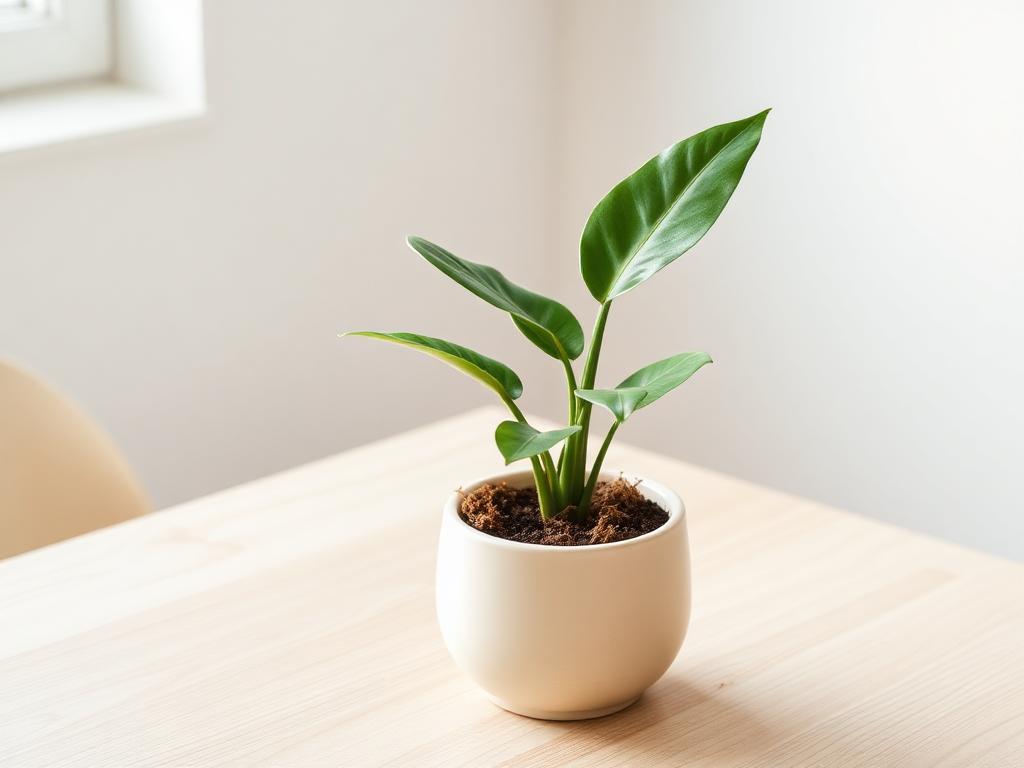
Starting plants from seeds or propagation cuttings can be a delicate, high-stakes game. Seeds require constant moisture to break dormancy, but too much water blocks oxygen, causing the seed to rot or contract fungal diseases like 'damping off.' Coconut coir (cocopeat) solves this riddle, providing the absolute ideal balance of water retention and high aeration.
1. Water Retention vs. Aeration
Cocopeat behaves like a micro-sponge. Its unique cellular structure allows it to absorb and hold up to 8 to 10 times its weight in water, releasing moisture gradually as the roots draw it in.
Crucially, cocopeat does not pack down tightly. It has high air-filled porosity, meaning even when it is fully saturated, there are microscopic air pockets that allow oxygen to reach the developing root tips. Healthy roots require oxygen just as much as water.
2. The Importance of Low-EC Coir
Coconuts grow in coastal environments, which means natural coir fibers contain high levels of sodium and potassium salts. If untreated, this salt concentration (measured as Electrical Conductivity, or EC) will stunt seedling roots or burn them.
Bhusari Agro Cocopeat goes through rigorous washing and buffering cycles. By pre-rinsing the coir with fresh water and treating it to displace sodium ions, we bring the EC down to a safe, neutral level (< 0.5 mS/cm). This provides a safe, clean sandbox where delicate seeds can root without stress.
3. How to Prepare & Blend for Propagation
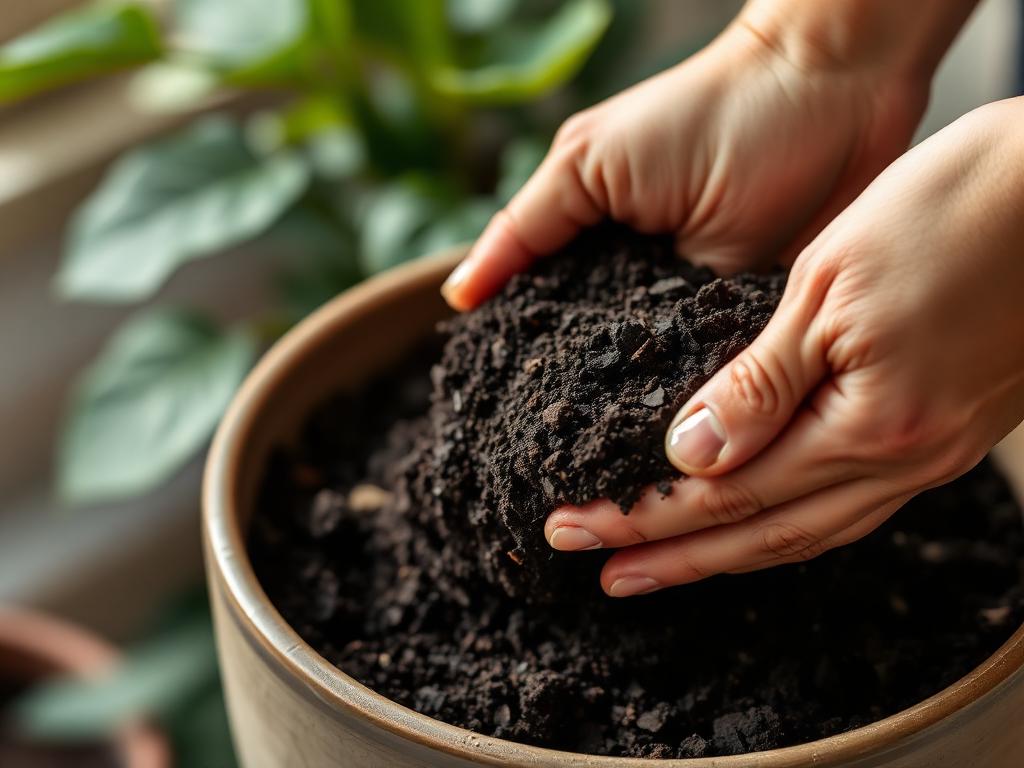
Rehydration: If you are using a compressed cocopeat block, place it in a large container and add water slowly. The block will expand to roughly 5 times its original size. Fluff it with a garden fork.
The Perfect Seed-Starting Mix: Cocopeat is naturally inert, meaning it contains minimal nutrients. For the ultimate seedling starting mix, blend 60% rehydrated cocopeat, 20% vermiculite or perlite (for extra drainage), and 20% Bhusari Agro Vermicompost (for gentle, organic nutrition).
In Summary
Starting your propagation or seeds in low-EC cocopeat is the single best way to ensure rapid root establishment, high survival rates, and a strong head start before they are transplanted to their permanent home.